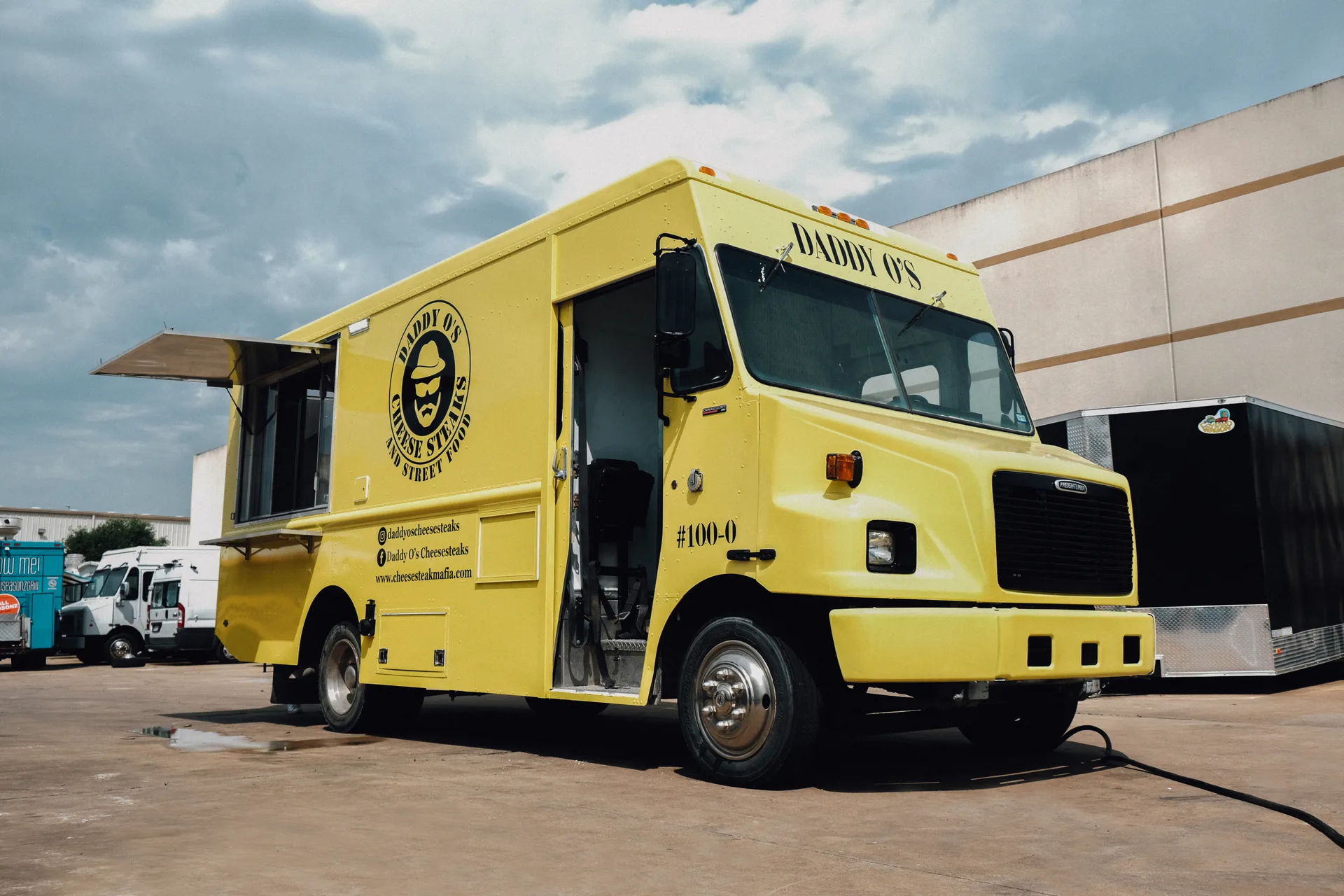
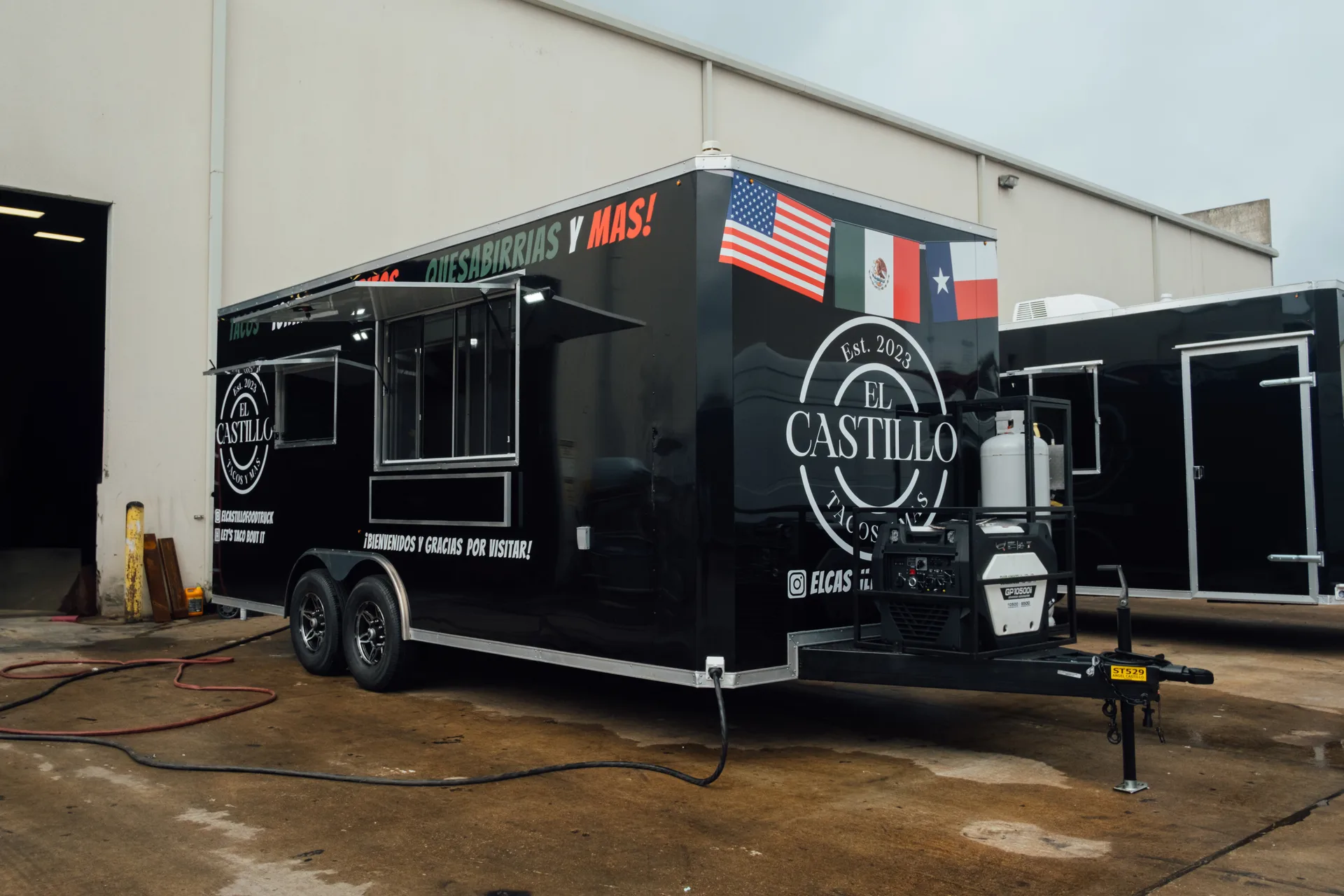
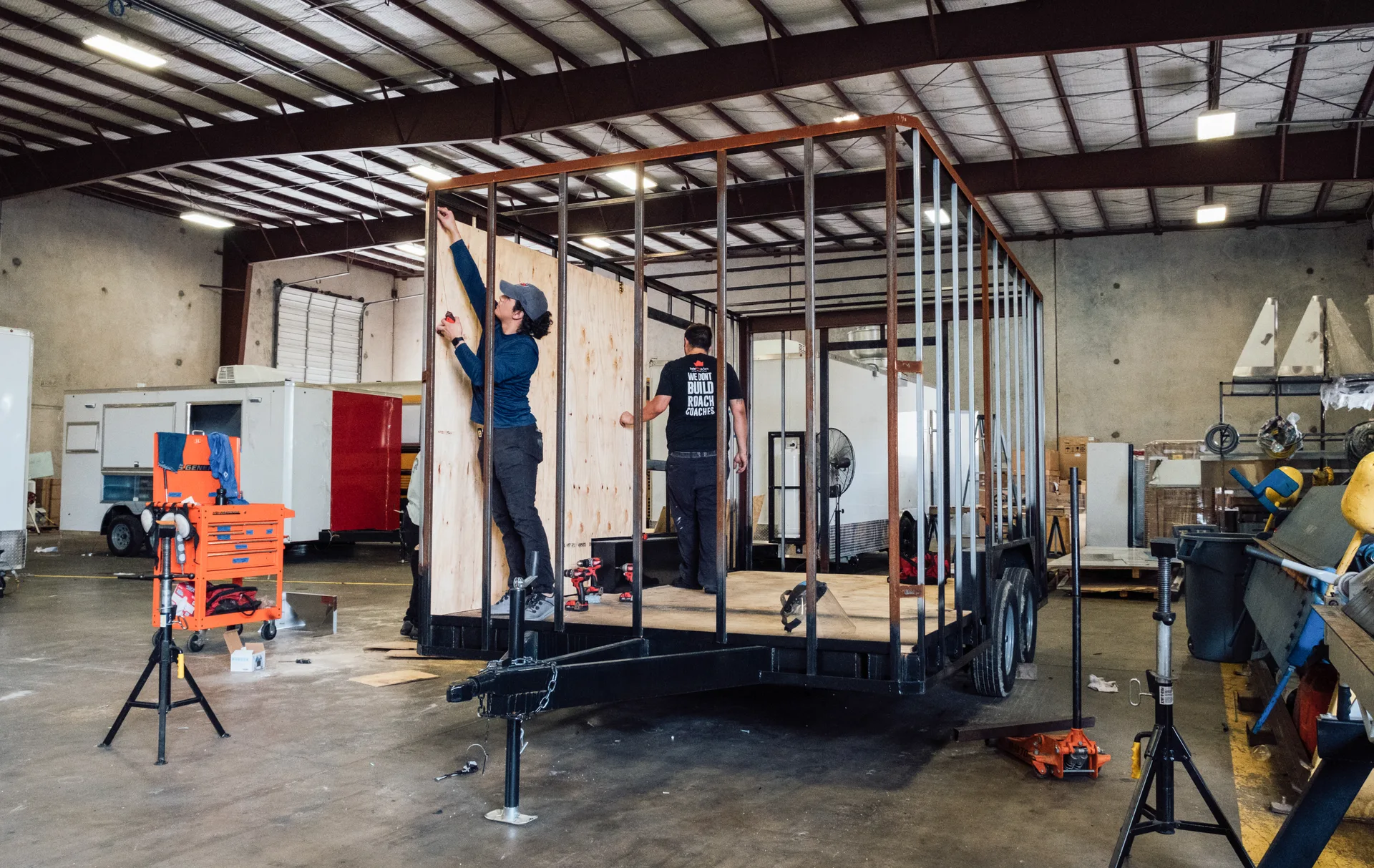
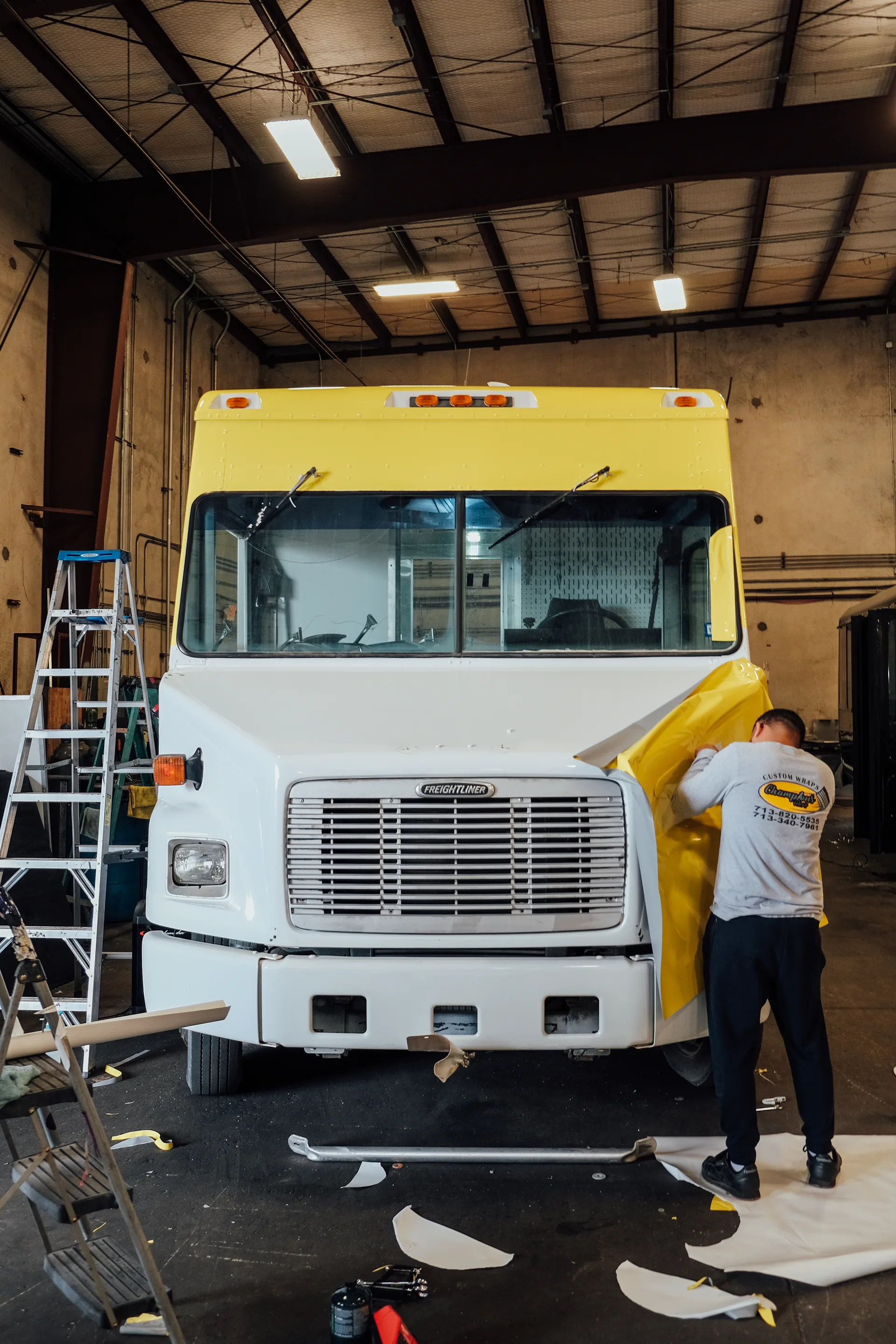
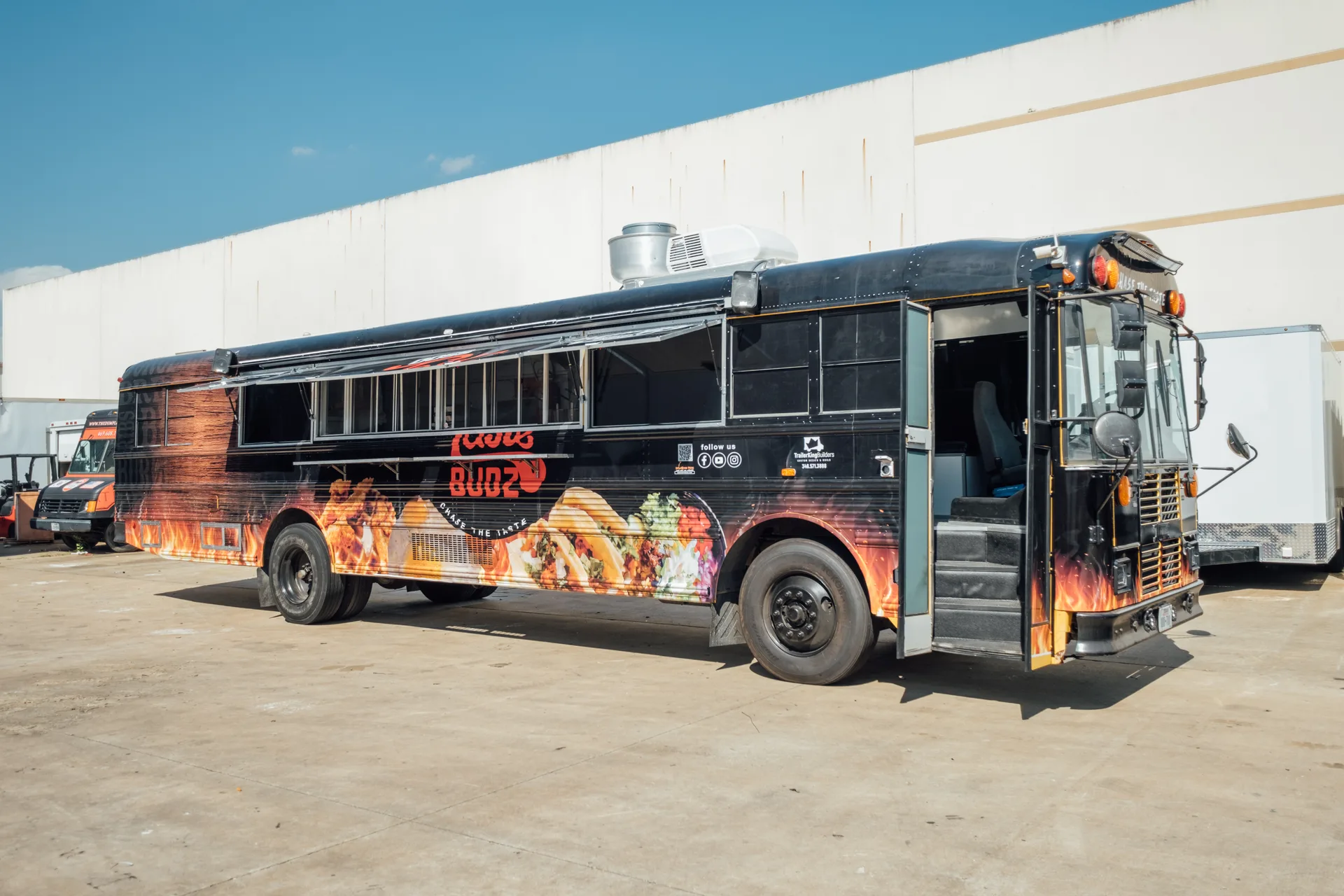
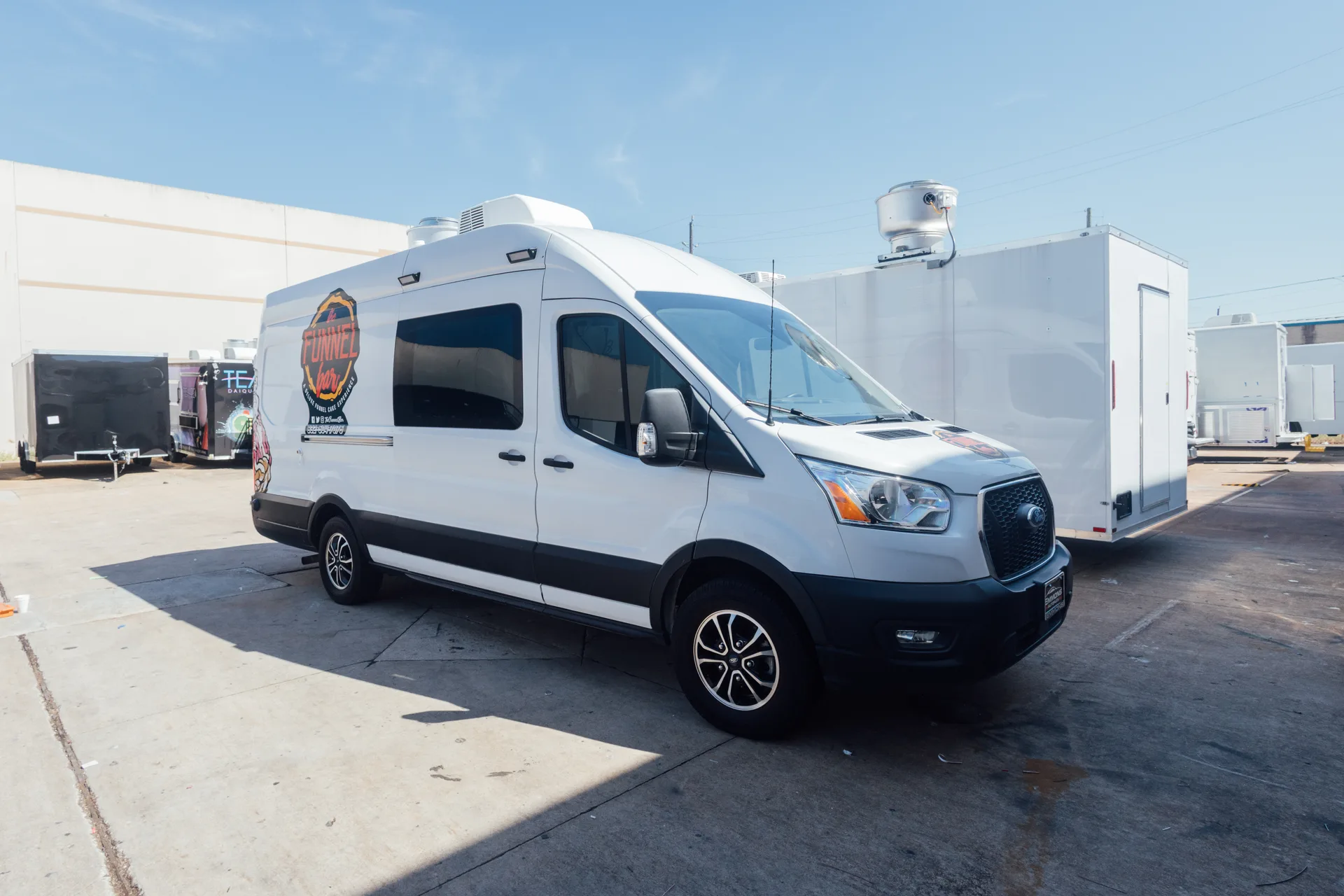
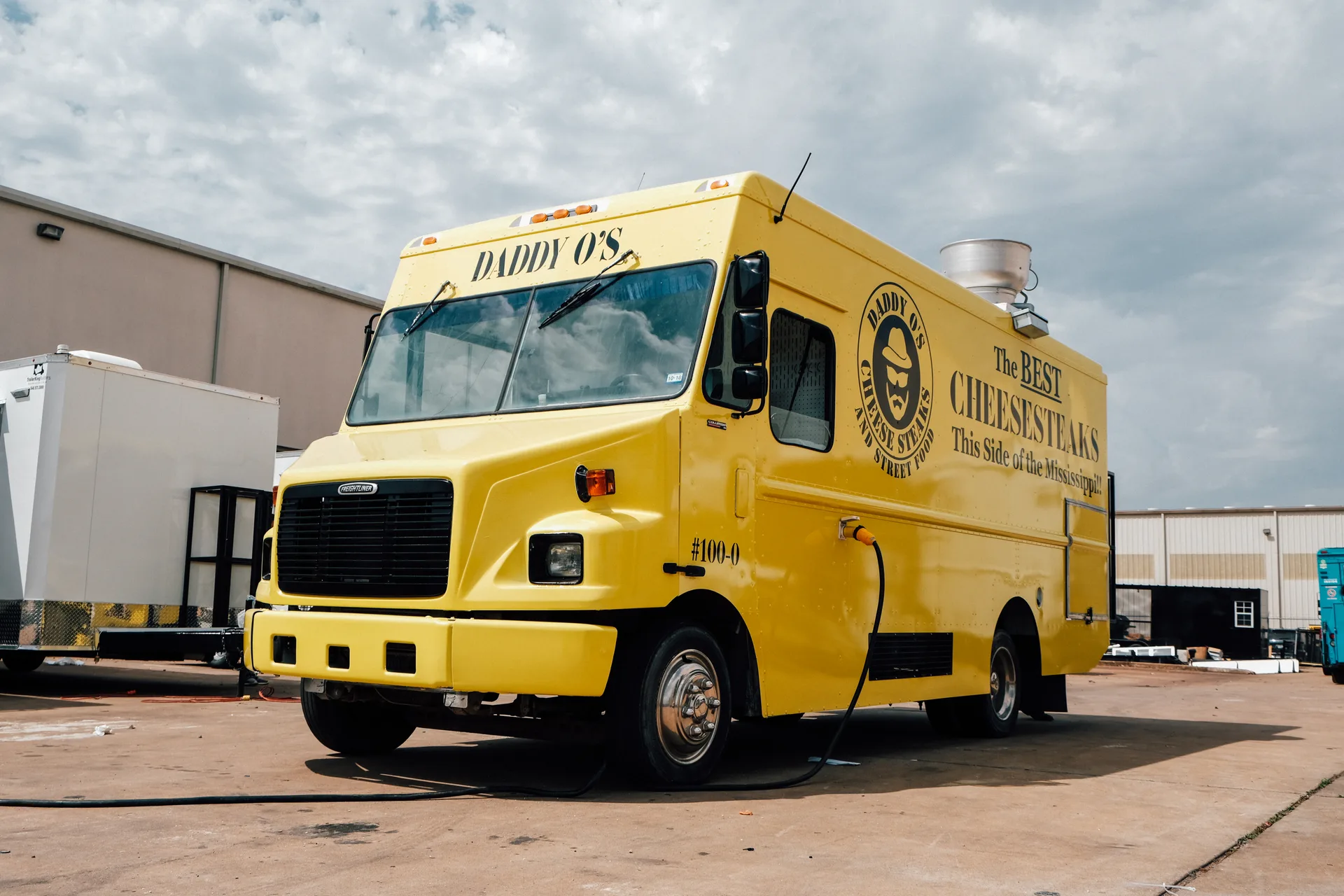
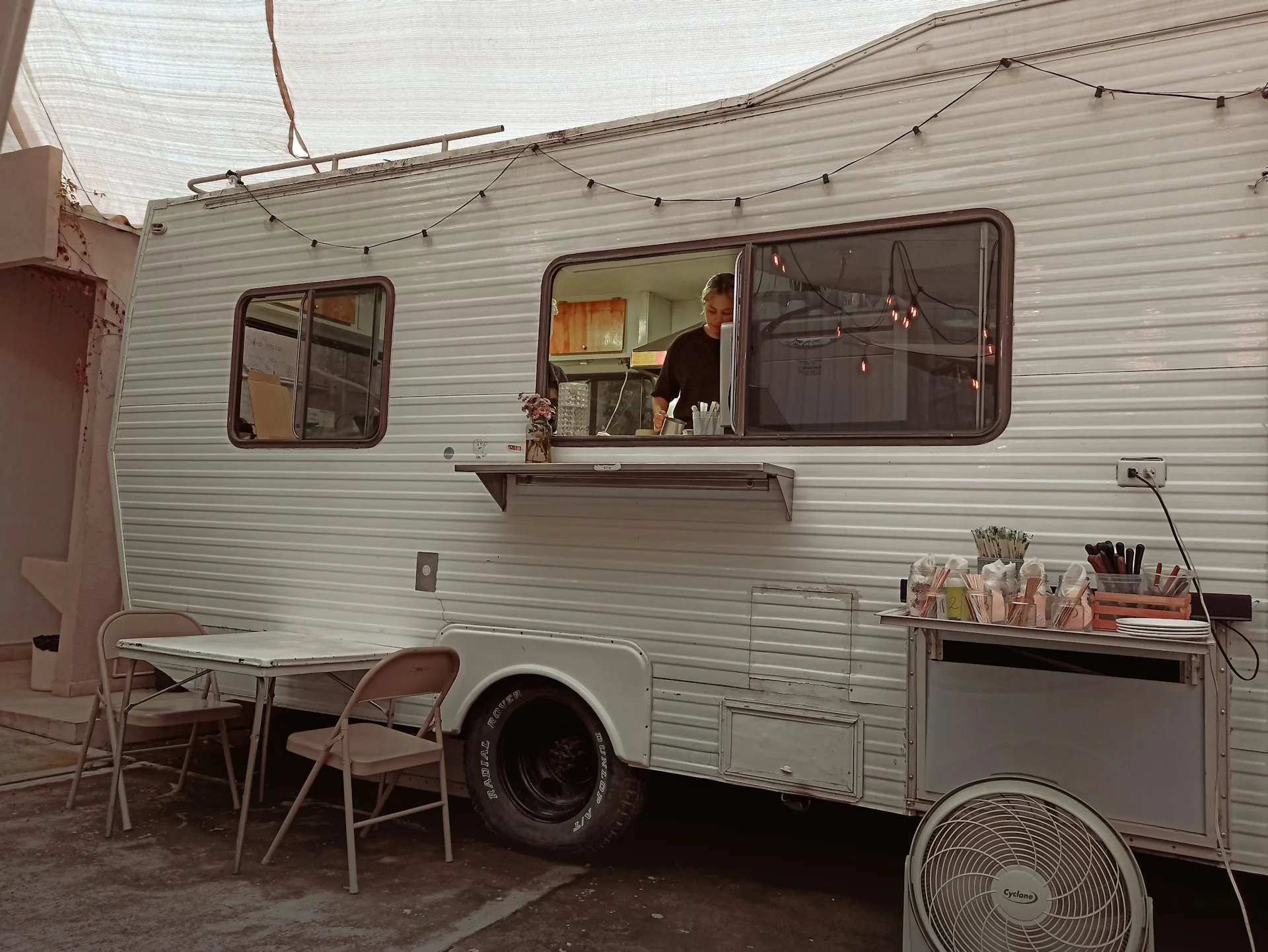
Turning a van into a working food truck is a big move, but for a lot of people, it’s the first real step toward running their own mobile kitchen. Maybe it’s a used delivery van sitting in the driveway. Maybe you just bought one that’s in good shape and ready to go. Either way, going from van to food truck doesn’t happen overnight. It takes thought, planning, and a build that meets legal and health codes from the start.
We’ve walked through this process with plenty of food truck owners, and the truth is, the details matter. Based in Houston, Texas, we specialize in turning vans into fully operational mobile kitchens, guiding owners from the first design ideas through the final build-out. The setup has to be safe. The gear needs to last. Each part should support what you plan to serve. Let’s walk through what it really takes to get that van ready, inside and out, so it’s more than just a vehicle, it’s a clean, working kitchen on wheels.
Assessing the Right Van Before You Begin
First, not every van is the right fit for food truck conversion. Starting with the wrong type or size can hold you back later, even with great ideas or solid food concepts.
When choosing a van, here’s what we watch for:
• Height and length. You want to keep the outside small enough to park and drive easily, but the inside needs to have enough room for kitchen equipment and safe movement.
• Engine condition. Buying a van that needs major engine work eats up time and could delay inspections. A strong motor lets you focus on the build.
• Structural layout. Some vans look fine from the outside but have low roofs, strange angles, or damaged interiors that make installing gear harder or more expensive.
People often forget to check things like roof condition or underbody rust, especially in older vans. If water leaks in or the floor is weak, building out a kitchen can be unsafe or impossible without major repairs.
Planning the Layout for Cooking, Storage, and Service
Once the van is ready, it’s time to think about how everything will fit inside. Food truck layouts can get complicated fast, especially if you have a specific menu or more than one person working onboard.
Layout decisions affect more than just space. They shape how smoothly your service runs, how easy it is to clean, and whether or not the truck passes inspection.
Here’s what to think about when planning the setup:
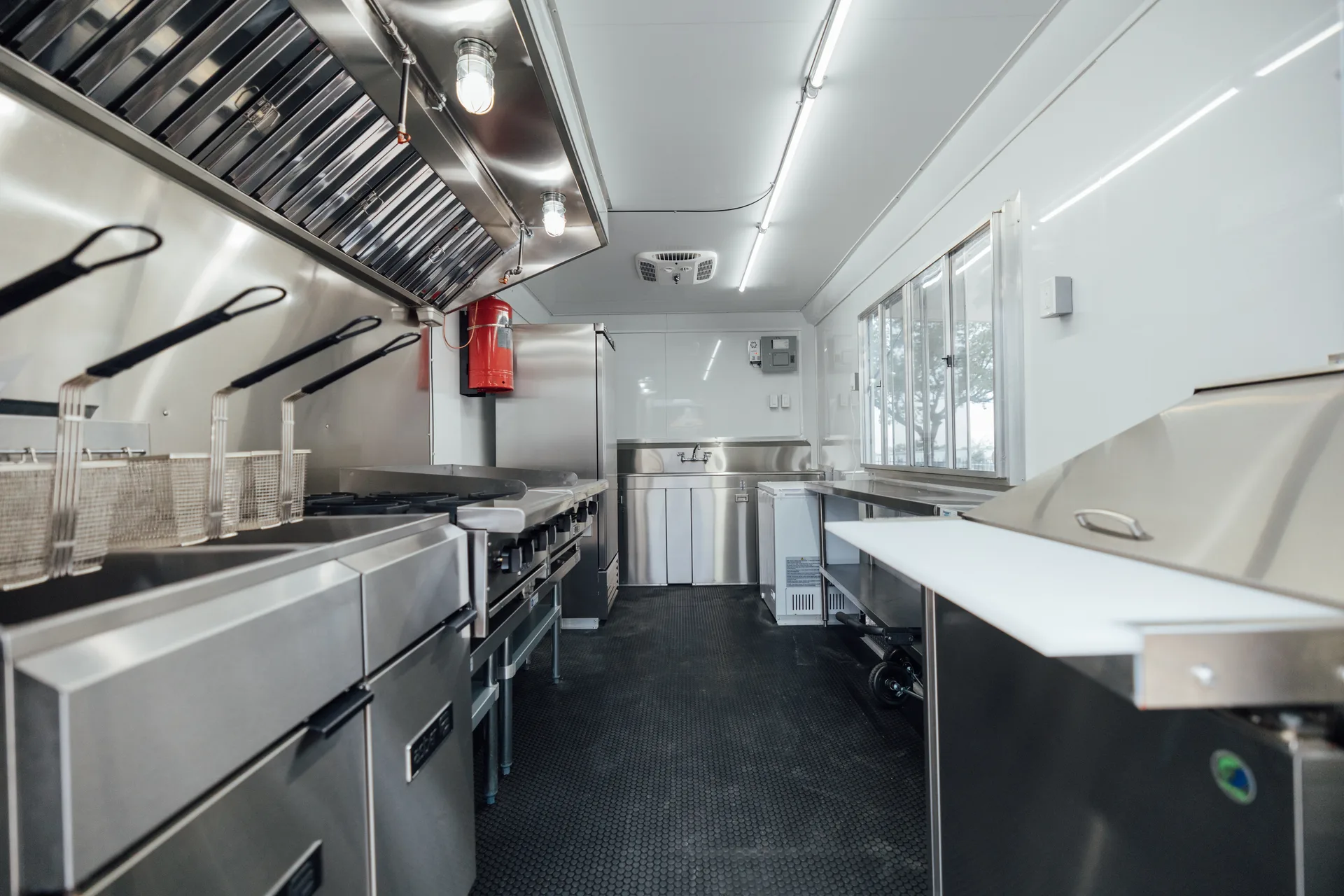
• Cooling, heating, and storage should be placed in zones that avoid cross-contamination. Your prep area shouldn’t be blocked by cold storage doors or exposed to splatter from fryers.
• Sinks and handwash stations need to be placed where they’re easy to reach, even when things get busy.
• Inside movement matters. Can two people pass each other? Are ingredients close to where the cooking happens? If someone’s taking orders, is that traffic separated from cooking lines?
These tiny layout choices really add up when a crew is working inside full-time. A well-planned van has a smooth rhythm and avoids dead space or tight corners.
Installing Key Systems: Plumbing, Electrical, and Ventilation
At the heart of a food truck conversion are the systems that make it run like a kitchen, hot water, working lights, airflow, and power to your gear. These installs need to meet local health codes and stay reliable through heat, rain, and long hours. Through our van-to-food-truck conversion services in Houston, we handle everything from equipment installation to layout design so the finished build works like a professional mobile kitchen.
Basic system installs include:
• Plumbing that supplies clean and waste water through onboard tanks, with working faucets at each sink
• Electrical wiring that can support fridges, fryers, warmers, and lighting safely, without overloading or overheating
• Roof-mounted exhaust fans and hood systems that pull grease and smoke out of the space, so you stay safe and compliant
Failing to plan for how these systems interact causes problems. Water lines too close to heat sources might split. Wires that aren’t protected can fray. Cold weather, even the kind we sometimes get in Houston, can affect small systems if they’re not shielded or insulated. These are the small things we flag ahead of time so operating in winter remains smooth.
Outfitting the Van with Equipment and Exterior Modifications
Once the inside systems are set, the real details start coming together. This is where the van begins to look and feel like a food truck. The gear you install needs to match your actual service style.
Most builds include:
• Heavy-duty equipment like griddles, fryers, refrigerators, and warming units
• Exterior work like mounted service windows, menu signage, insulation, and lighting
• Cabinets, shelving, and washable surfaces that meet spill, heat, and cleaning requirements
You want everything to fit naturally without crowding or blocking airflow. Food safety checks will call out gear that’s too close to sinks, has sharp corners, or sits on unstable frames. Outside, uneven windows or gaps in the shell can cause leaks or pest concerns. Testing each appliance and window before launch is key. A full dry run helps catch small snags early.
Getting Approved and Road-Ready
Once the build is done, your food truck still has one more round of steps before it can start serving. Each city or county has different rules, but in Houston, food trucks need proper inspections and documentation before they can get on the road.
This part includes:
• Health permit inspections to check water pressure, food safety, and general layout
• Fire and safety inspections if using fryers, propane gas, or electrical cooktops
• City and county paperwork for licenses, business registration, and commissary partnerships
Some owners get caught in paperwork loops here, especially if the van has out-of-state tags or missing receipts. That’s where having everything organized during the build helps. If your systems match codes and your equipment checklist lines up with your permit application, this part moves faster.
Ready to Roll: What a Finished Conversion Should Look Like
After all the planning, wiring, sanding, and testing, a finished van conversion should feel like a high-functioning kitchen that just happens to be on wheels. From water pressure to clean storage to smooth electric access, everything should work together, and work every day.
Some things new owners tend to face early on include small leaks, power glitches during long events, or trouble storing enough backup ingredients. A clean, simple setup really helps here.
When the foundation is strong, running a food truck gets simpler. That lets you focus on cooking, serving, and building up loyal customers. And once your van feels like a working, rolling kitchen, the rest of the business starts taking shape from there.
Starting your mobile kitchen in Houston means getting the right setup from day one. We know building a food truck from a van requires attention to every detail from airflow and plumbing to secure storage. For those evaluating options for converting a used vehicle, our guide on van to food truck offers clear direction. At Trailer King Builders, we handle every step with care so your business launches smoothly. Contact us today to get your build moving.