Health inspections are part of everyday life for mobile food businesses in Houston. For food truck owners, staying ready for an inspection can be the difference between a busy lunch shift or an unexpected day off the road. The rules matter, but it’s the small, overlooked things that often trip people up.
Missed food truck repairs, outdated paperwork, or overlooked kitchen details can cause delays and disappointment. Most of the time, these problems are preventable. What gets flagged in inspections usually comes down to safety, hygiene, or missing records. Let’s look at what actually stops a truck from passing, and what we can do to stay a step ahead.
Issues with Kitchen Equipment and Setup
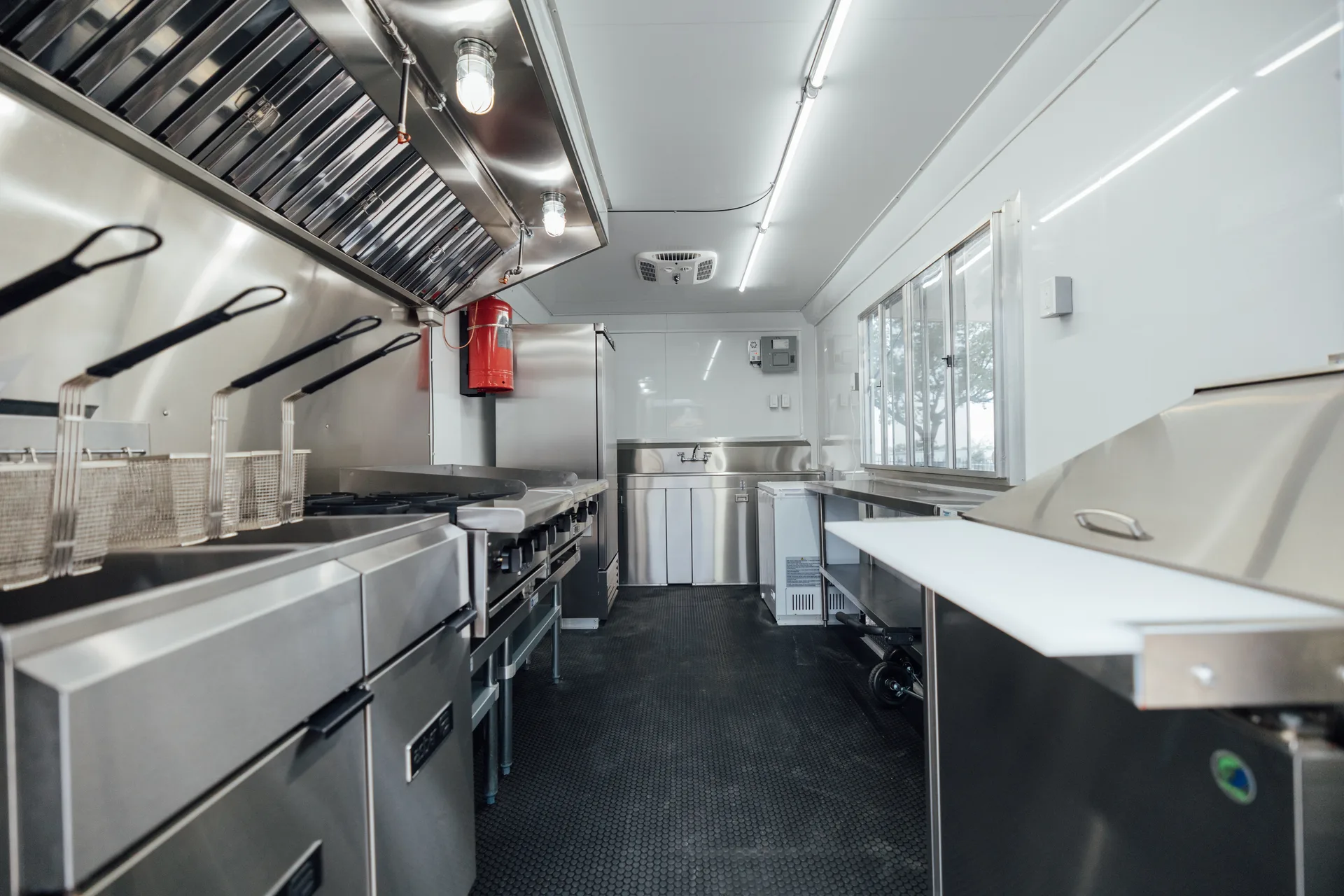
Mobile kitchens are complex spaces packed with equipment, and even one problem can create a failed inspection report. That’s why starting with kitchen setup makes sense. We, based in Houston, Texas, build and service custom food trucks and trailers every day, so we see how much the right equipment and layout affect inspection results.
Here’s where many trucks run into trouble:
• Equipment is broken, outdated, or not approved for commercial use. A small crack in a fryer or a sticky burner knob can be enough to get flagged.
• Temperature control isn’t consistent, especially on grills, refrigerators, or hot holding trays. If your fridge can’t stay cold during busy hours, it could mean a health risk, and a ticket.
• The layout gets in the way of airflow or cleaning. When items are stacked too tight or corners are hard to reach, sanitizing after prep becomes difficult. That can lead to hygiene violations, even if the rest of your space is spotless.
We’ve noticed that even experienced operators run into these issues, especially as equipment ages or gets shuffled around to make room. Often, people assume as long as something “works,” it will pass inspection, but inspectors check for more than just simple functionality. They look for professional setups that are easy to clean and keep safe, which means even a working piece of equipment may be flagged if it’s not up to the latest standards. Keeping kitchen gear in good condition not only protects food safety but also helps avoid setbacks with local authorities.
Plumbing and Water Supply Problems
Water running properly is a big one. If any part of a food truck’s plumbing system goes down, it’s likely to draw attention during a health inspection.
Some of the most common plumbing problems we’ve seen include:
• Hot water tanks that don’t meet the flow or temperature requirement
• Cross-contamination risks, especially through backflow or pipes connecting sinks to sanitation areas
• Leaky fittings or worn-out hoses under the handwash sink or three-compartment sink
Houston inspectors will always check water pressure, hot water supply, and sink access. If something seems off, they’ll dig deeper. A leak or faulty valve might seem small, but if it impacts sanitation, a truck won’t pass inspection.
Besides the basic plumbing, inspectors also expect to see clear separation between clean and dirty water, and properly vented systems. Making sure your plumbing meets these expectations helps your food truck operate without delays. Problems like low hot water or questionable pipes slow down daily work, and repairs are much easier to schedule ahead of time rather than face during a surprise visit.
Electrical and Lighting Hazards
Electrical problems fall into the safety category, and they’re easy to overlook when things appear to be working. But messy wiring and flickering lights can raise questions during a check-up.
Some of the frequent issues that show up include:
• Light covers above food prep stations are missing or broken. Houston rules say lightbulbs must be shielded to avoid glass contamination in case of breakage.
• Power strips are overloaded, or extension cords are powering key appliances. These kinds of shortcuts may work short-term, but they don’t meet code.
• Loose wiring or panels are exposed, which can be a fire hazard or signal improper installation.
Targeted repair work, such as hood and fan installation and weld, electrical service, and hood fabrication, helps keep these systems in good working order before inspectors arrive. Health officials usually spot these problems right away, especially if your truck’s setup looks unusual or patched together. Addressing electrical maintenance as part of regular food truck repairs can prevent last-minute stress before an inspection.
Making sure lights are all working and protected also keeps service running smoothly, it’s easier to see what you’re prepping, and you lower the risk of accidents on board. Simple details like shielded bulbs and secured outlets help avoid the kinds of basic violations that trip up even well-established operators.
Cleanliness and Pest Prevention Failures
Even if equipment looks fine and the paperwork checks out, cleanliness is one area where a truck can stumble fast. The rules here are strict, and with good reason.
Here’s what can cause trouble:
• Grease buildup on walls, under fryers, or behind prep tables
• Dirty floors or unwashed storage containers stacked too close to food
• Trash cans without lids or trash piled next to food operations
• Open ingredients or unsealed dry goods that attract bugs or rodents
If there’s even a hint that pests have access to food or supplies, inspectors could shut the operation down on the spot. Regular deep cleaning, resetting workstations, and labeling inventory goes a long way toward passing an inspection with no flags.
Keeping cleaning products stocked and using schedules for regular maintenance helps make sure no corner is missed. Food trucks operate in smaller spaces, so things like leaking grease or dropped food can build up quickly if not managed. Taking the time to organize storage and lock down containers will show during a visit, since inspectors notice how your team keeps up with daily messes and handles leftover food and trash. This ongoing attention to detail creates an environment that resists pest problems before they ever take hold.
Local Rule Misunderstandings
Many food truck operators are surprised to learn that Houston, Texas doesn’t follow all the same rules as other cities nearby. That’s where paperwork and location-specific permitting causes problems.
Things that cause confusion include:
• Trucks operating with out-of-date inspection stickers or missed permit renewals
• Commissary kitchen registration that doesn’t match Houston limits or territory
• Issued permits from other counties that don’t meet Houston’s more regular inspection schedule
These aren’t technical mistakes. They just happen when local rules change or when a food truck is new to the area. Missing one piece of clean paperwork can be enough to stall an inspection pass, especially if it creates a delay in documentation.
In Houston, the health department is specific about where each truck parks, prepares, and stores food overnight. Making sure your paperwork is fully up to date and matches city limits prevents headaches and miscommunications at the worst time. Long-term, understanding local expectations sets your business up for a smoother inspection process and fewer last-minute surprises.
Getting It Right Before Inspection Day
The best way to pass a Houston inspection is to get ahead of the problems we just talked about. It starts with knowing what inspectors usually check, and builds from there. Working with a Houston builder who understands local inspection expectations, like us, can help you plan repairs and upgrades with less guesswork.
Here’s what we recommend:
• Keep a running checklist of all food truck repairs that includes plumbing, refrigeration, kitchen equipment, exhaust fans, and electrical outlets
• Go through cleaning routines weekly, not just before inspections
• Stay on top of your records, including temperature logs, water system checks, and all paperwork for permits or inspections
When systems get checked often, small issues get handled before they turn into big delays. And when everything inside your truck looks clean, safe, and maintained, inspectors notice, fast.
Houston inspections can feel unpredictable, but when the basics are in place, most visits go smoothly. As long as food safety, storage, and equipment are treated as high-priority areas, most trucks can pass without stress.
Staying ahead of inspection issues starts with a truck that works the way it should. From plumbing to lighting and everything in between, small flaws can set your schedule back fast. Houston operators facing broken equipment or maintenance concerns can rely on our food truck repairs to keep their mobile kitchen safe and up to code. At Trailer King Builders, we understand how local rules affect your day-to-day and we’re here to help you pass with confidence. Give us a call to talk through what you need.