
Must-Know Facts About Food Poisoning
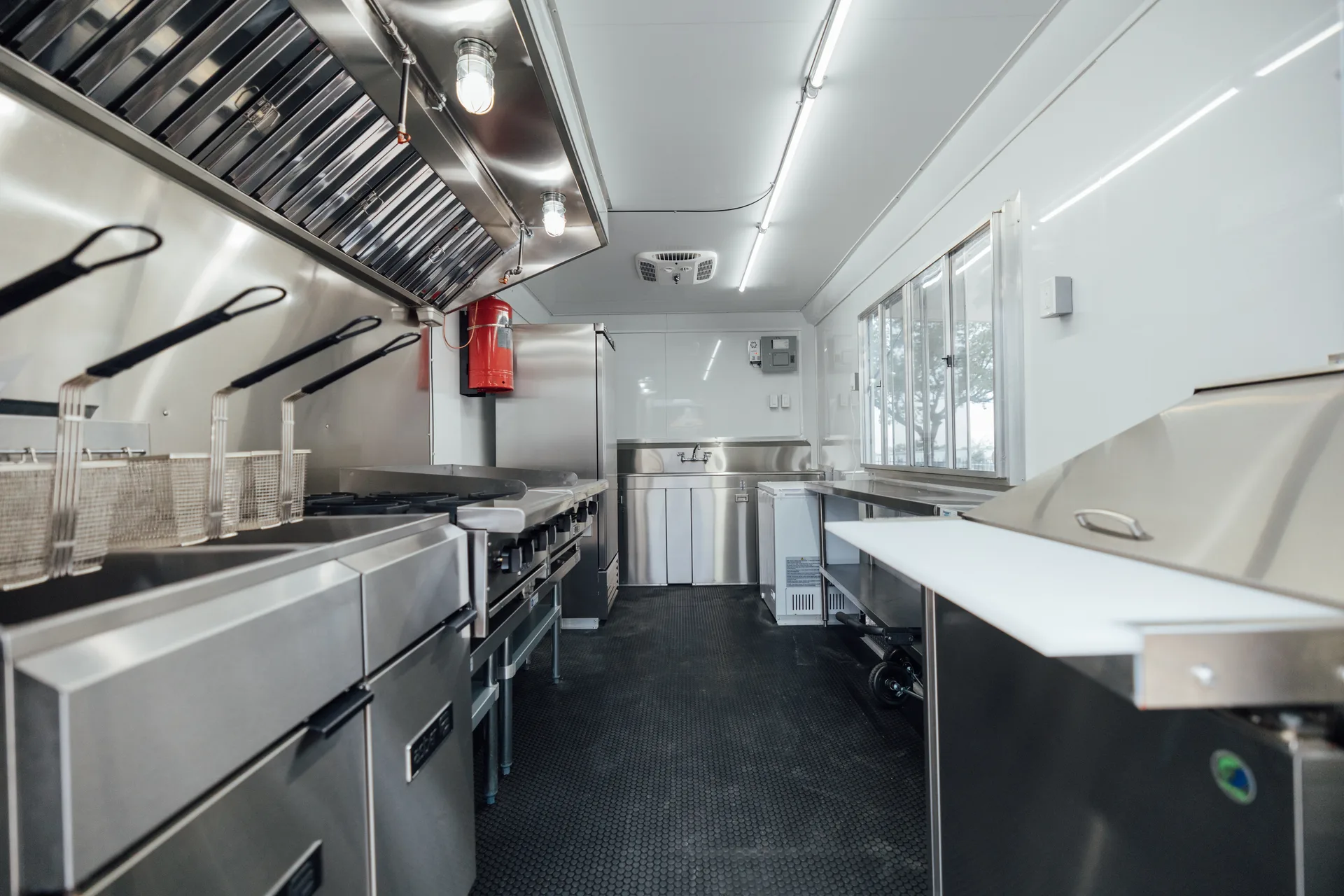
You might have heard about food poisoning. It’s a delicate matter, and it can happen to anyone, anywhere. However, if you own or operate a food truck, it’s your responsibility to ensure your customers’ health. You need to work with the right equipment and cook the food correctly.
In this piece, we’ll go through must-know facts about food poisoning with some food safety tips. We want you to provide your customers with a safe and reliable service so they can trust your business. Keep reading and start getting ready to enhance your processes!
Food Poisoning: The Basics
Here is the basic information everyone must know about food poisoning.
Symptoms
Some symptoms of food poisoning are vomiting, diarrhea, stomach aches, or nausea.
How To Prevent It
There are 4 steps you need to consider to avoid your customer’s food poisoning.
These are: washing your hands before, during, and after cooking; separating the different ingredients, meats, and seafood to avoid cross-contamination; cooking the meals at the right temperature; and refrigerating everything that needs it.
The Risk For Some People Is Higher
Some groups of people are in more danger than others when getting food poisoning. These groups include:
- Children under 5 years old.
- Pregnant women.
- People with diabetes, liver or renal disease, HIV/AIDS, or cancer who have had their immune systems impaired by their health conditions or the medicine used to treat them.
- Adults over 65 years old.
A No-No For Those Groups At Risk
People who are at risk of getting food poisoning should avoid eating:
- Sprouts, raw or lightly cooked.
- Milk and juices that have not been pasteurized (raw).
- Animal food that is undercooked or uncooked (such as beef, pork, chicken, turkey, eggs, or seafood).
- Soft cheese, unless it’s designated as pasteurized.
Severe Food Poisoning And Its Symptoms
With severe food poisoning, the symptoms mentioned above are even worse. The affected may experience:
- Diarrhea with blood.
- Can’t keep liquids down because of the constant vomiting, which can lead to dehydration.
- Fever of more than 102°F.
- Dehydration is characterized by a dry mouth and throat, dizziness upon standing up, and infrequent urination (peeing).
- Diarrhea for more than 3 days and is not improving.
The Change Is On Your Hands
As food truck owners and operators, your clients expect a certain level of quality. If you fail to provide food in good condition and risk someone’s health, your business can be affected. Being informed on food safety matters is highly important to avoid food poisoning.
The change is on your hands; enhance your truck to enhance your processes!