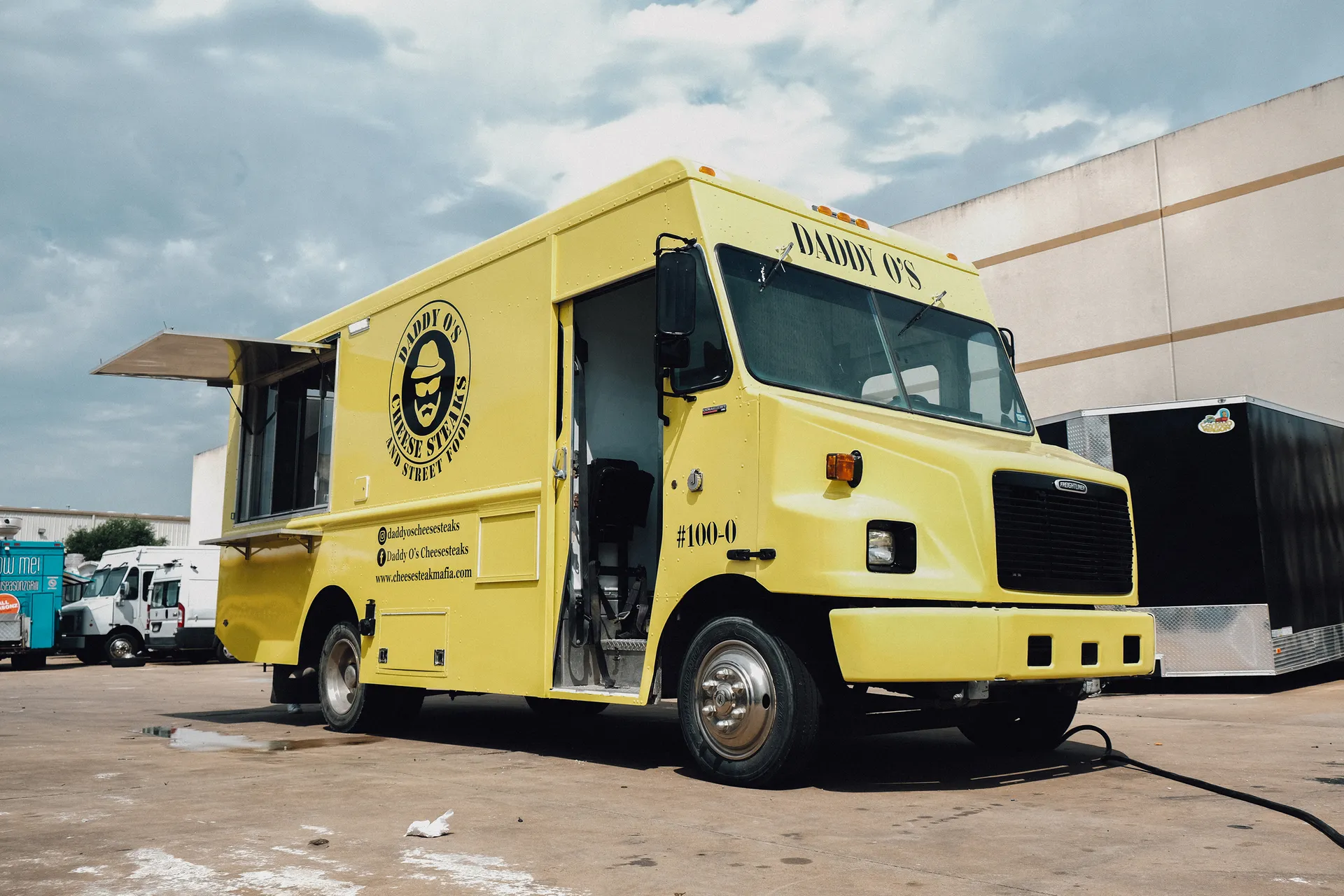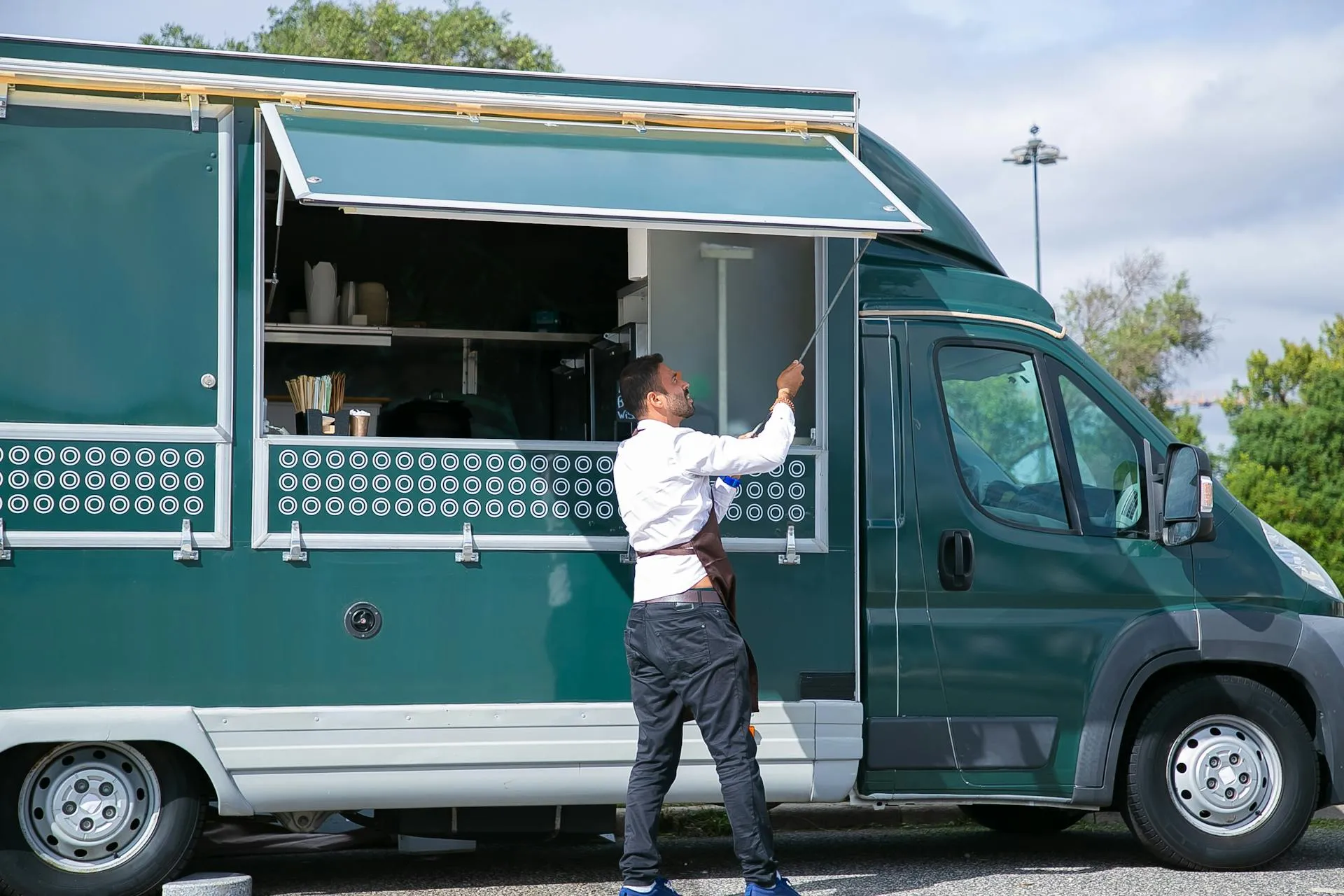
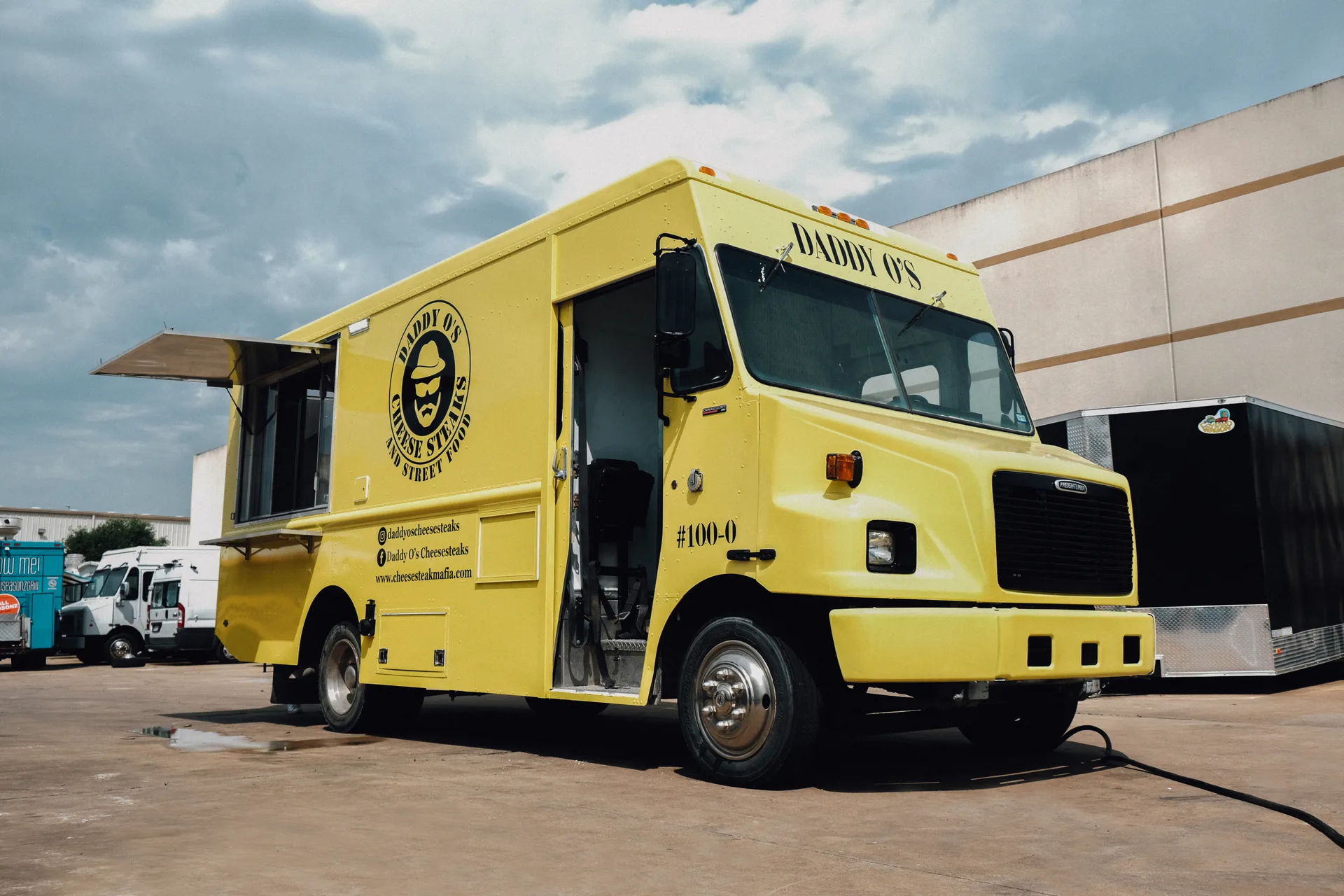
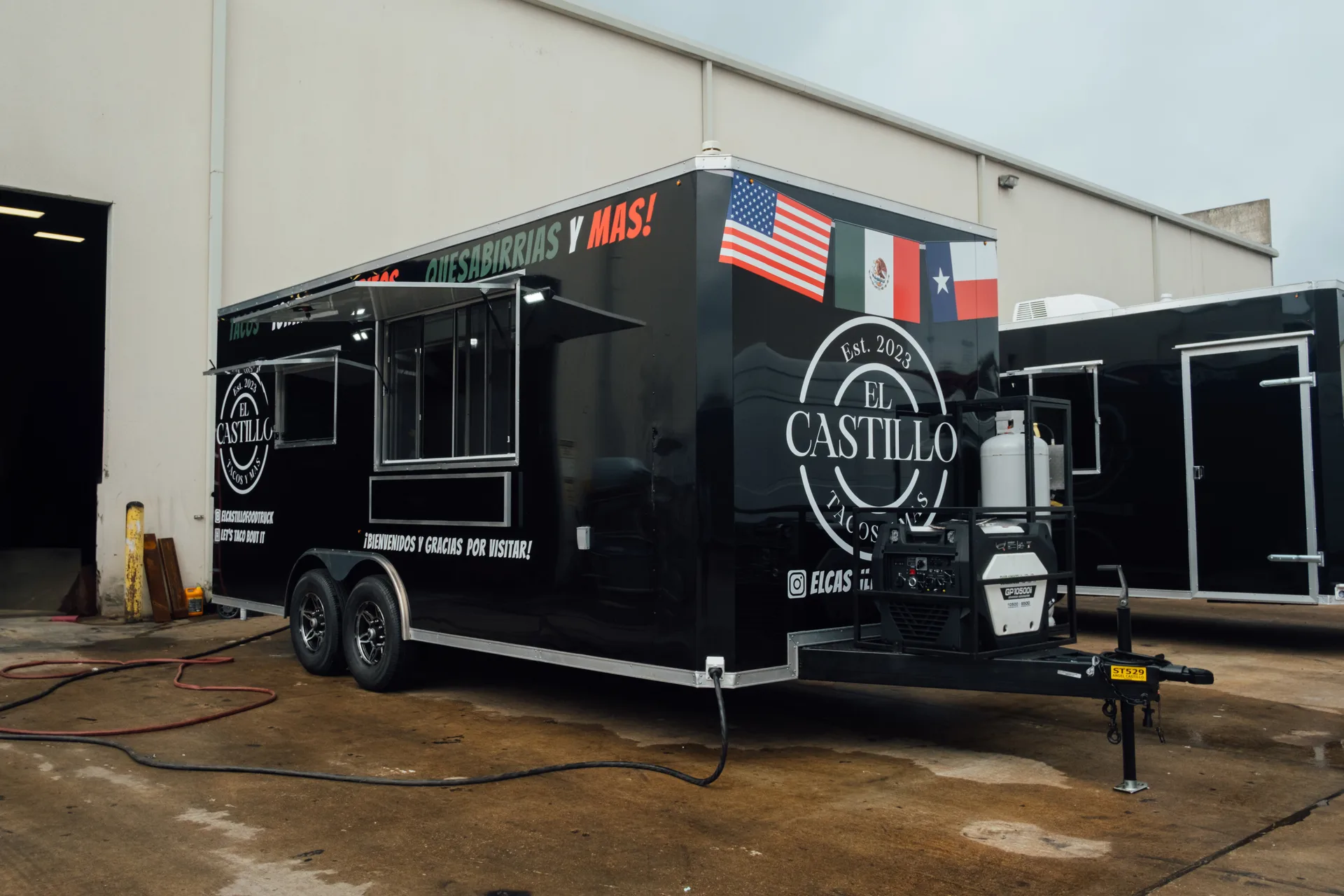
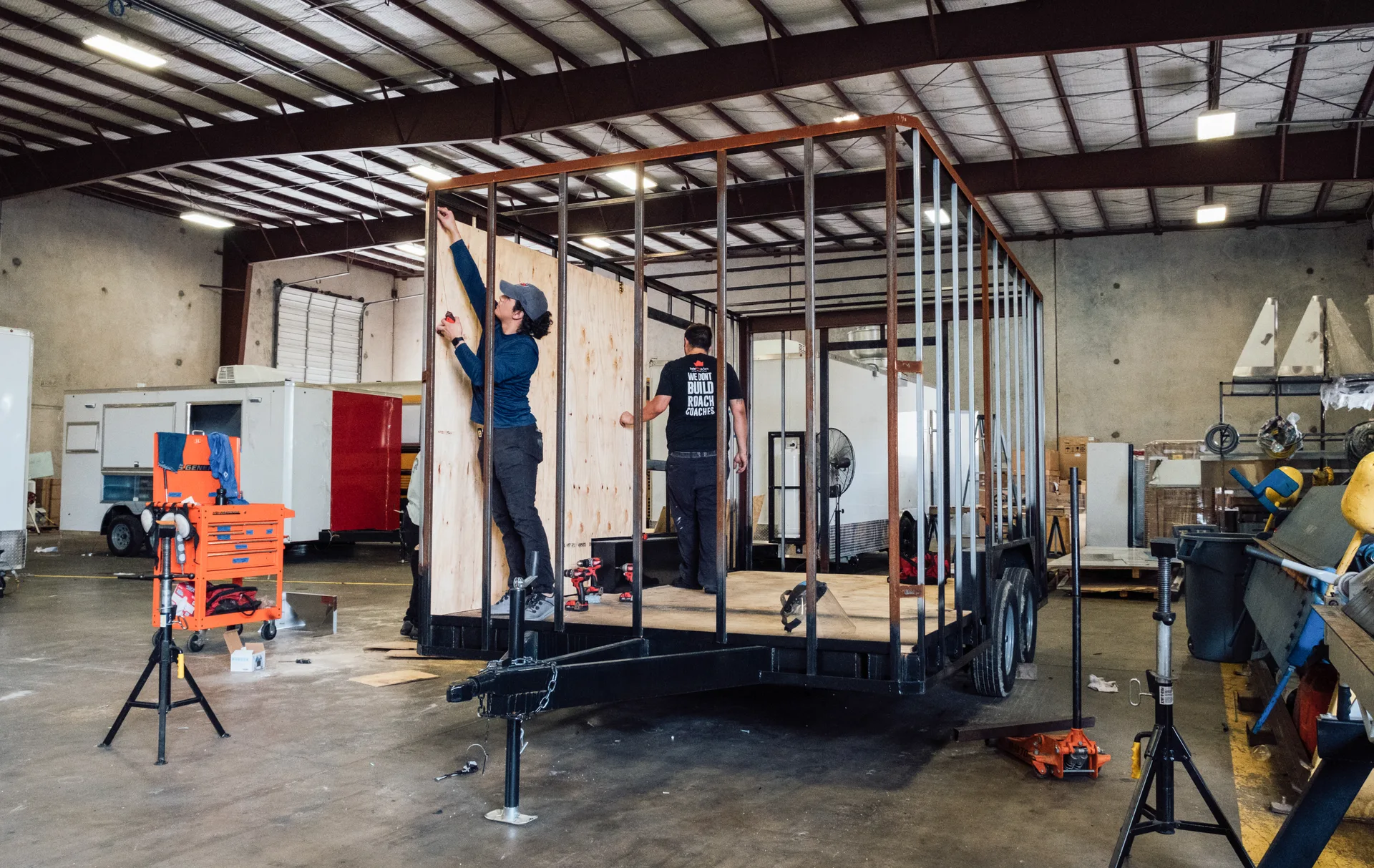
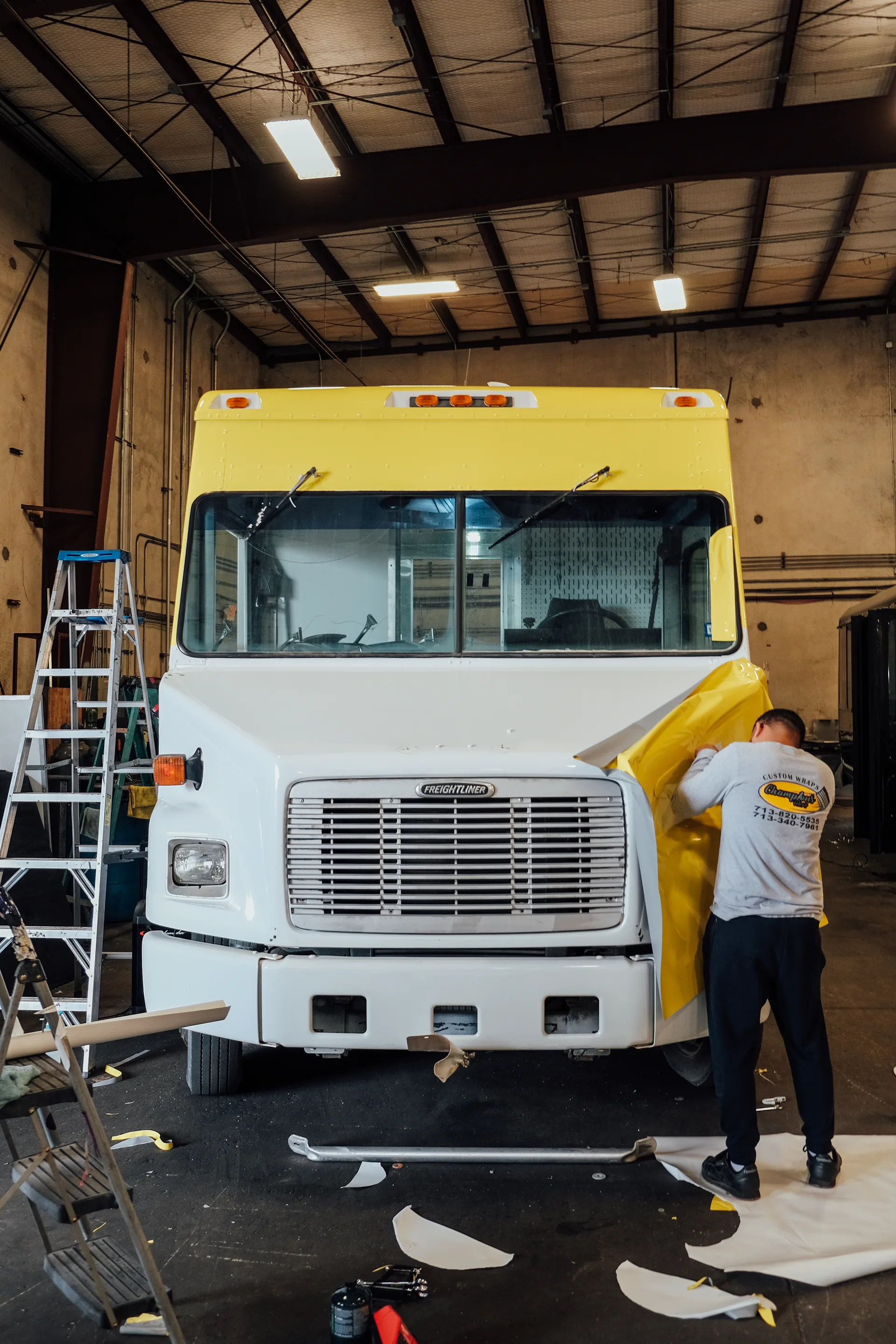
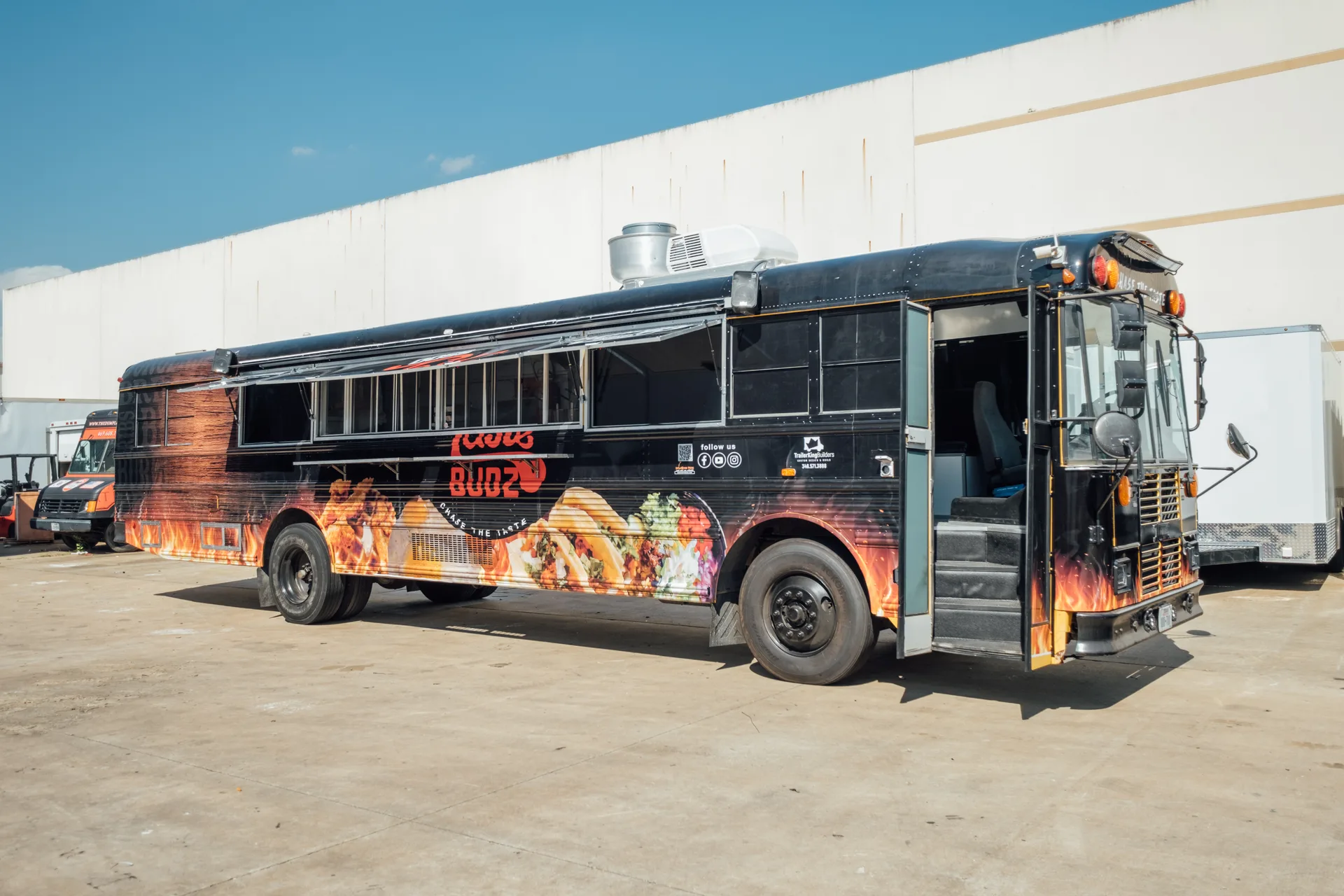

Inside a small concession trailer, square footage is tight. Every shelf, sink, and surface needs to earn its place. That’s why equipment layout isn’t just a design choice. It’s how you keep things moving, clean, and safe when every second matters. The right concession trailer equipment, placed in the right spot, helps avoid delays and makes it easier for your team to serve food during the rush.
As spring rolls in, events and festivals ramp up across Houston. This is when food truck operators start checking their setups, fine-tuning their gear, and getting ready for bigger crowds. Whether you are new to the business or thinking about reworking your trailer, now is a good time to look at how your equipment is set up and whether it is actually working for your crew and your workflow. At Trailer King Builders, concession trailer build outs are available in sizes from about 7 to 8.5 feet wide and common lengths such as 14, 16, 18, 20, and 22 feet, which gives room to plan equipment placement around your menu and staff.
Start with a Clear Plan for Workflow
Before placing any equipment in your trailer, consider how food should move from start to finish. The smoother that process is, the faster your team can work and the happier your customers will be.
Here’s what to map out:
- Where raw products enter the space (refrigeration or dry storage)
- Where food is prepped (cutting boards, sinks, and mixers)
- Where it is cooked (grills, fryers, ovens, or hot plates)
- Where it is served (usually through a window or counter)
You want to organize your concession trailer so that everything moves from one step to the next without backtracking or crossing paths. This usually means keeping hot cooking stations away from cold storage and making sure hand washing, sanitation, and trash bins do not slow things down.
If more than one person works inside the trailer at the same time, make sure each person has a zone. Consider where your cook stands during busy hours and where your cashier hands out orders. You do not want them bumping into each other or passing in tight spots. Give each task its space, and your whole service line will work better.
Measure for Fit and Function
Good ideas only work if they actually fit. That is why measurements are so important. Before installing anything new, double-check that your concession trailer equipment fits comfortably into its spot without crowding other tools or blocking pathways.
Tips to keep in mind:
- Measure both the equipment and the trailer interior
- Leave room for air vents, cords, and doors to open freely
- Check how deep shelves, counters, and appliances extend
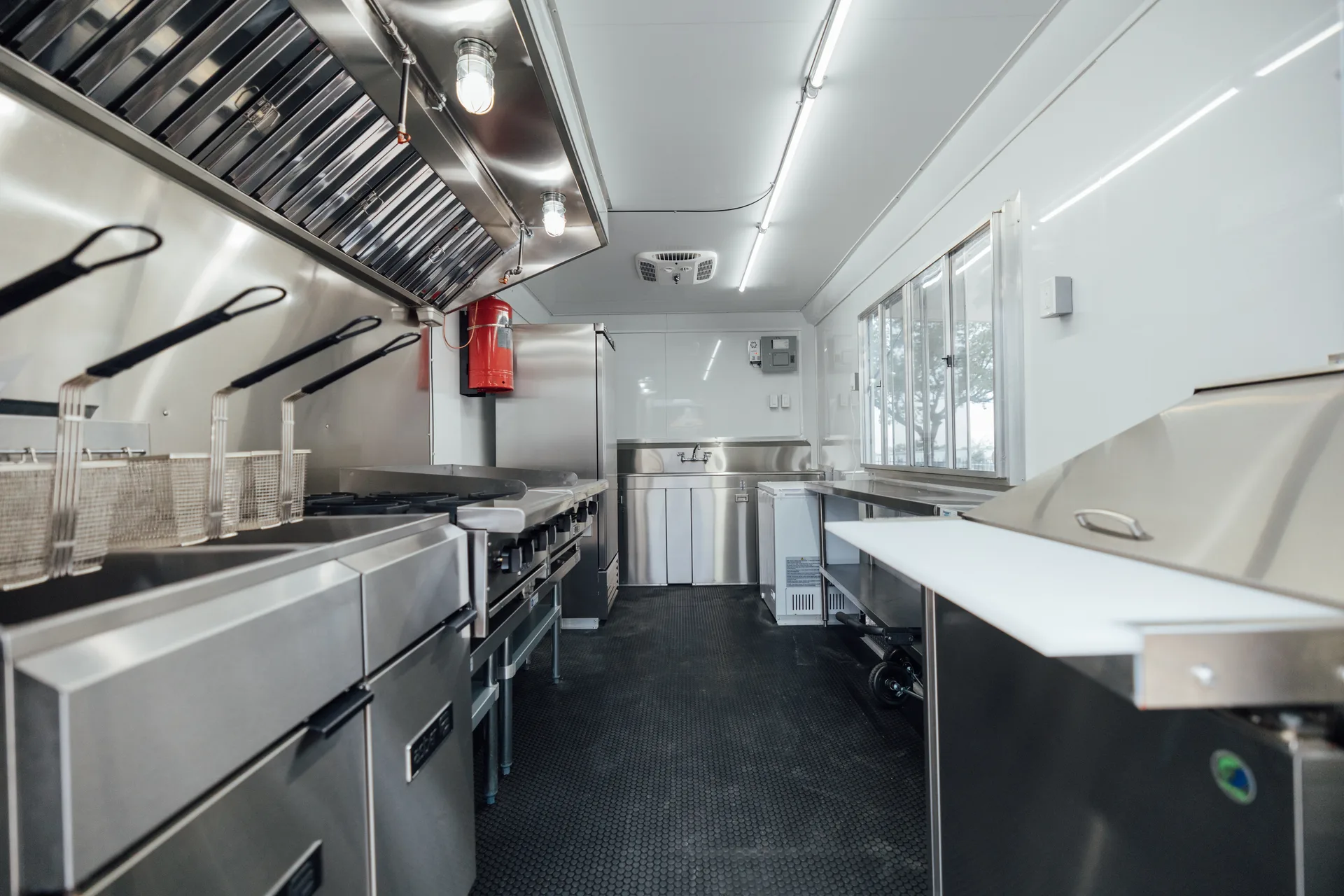
Even if something technically fits, you should think about safety and comfort. Sharp turns, tight corners, or hidden outlets can turn simple tasks into annoyances that slow your team down. You do not want two people squeezing past each other while holding hot food. In our builds, common equipment options include commercial deep fryers, 36 inch griddles or charbroilers, ranges, refrigerators, sandwich prep tables, and concession hoods, so we always confirm clearances and dimensions before installation.
Consider things like knobs, lids, and loading spaces. Can you swing open every fridge and oven door? Is there room to load items without moving several other things out of the way first? Look beyond just placement and focus on daily use.
Electrical and Plumbing Access Matters
Every piece of equipment needs something, whether it is power, water, or gas. Grouping appliances that use the same type of utility can make your trailer setup much easier to manage. This will reduce tangled wires, long pipe runs, and future repairs.
A few things to check as you plan your layout:
- Keep water sources near sinks, coffee brewers, and steamers
- Place freezers, warmers, or fryers within reach of strong electrical outlets
- Make sure gas-powered units are spaced safely from heat or water
You will also want to make sure you do not block plumbing or access boxes during setup. Wiring, tanks, switch panels, and hose connectors all need to be visible and reachable. If anything needs attention, it will be faster to find the problem without removing multiple pieces of equipment. Since we build trailers from scratch and handle fabrication and installation of cooking equipment and accessories, we route electrical and plumbing connections so they stay accessible for inspections and future service.
If you skip this step, problems are likely to appear on your busiest days. Planning ahead keeps your line running, even during the lunch rush or a crowded weekend event.
Secure and Maintain Equipment on the Road
A great layout should hold up while the trailer is moving. Every bump and turn can shift equipment, rattle drawers, or loosen hardware unless everything is secured properly.
To keep things safe and stable, follow these tips:
- Install brackets, straps, or anchors to keep equipment locked during transit
- Use rubber mats, pads, or non-slip flooring in high-traffic areas
- Leave space around machines that may need adjustments or servicing
You do not want a fryer to slide into the wall or a fridge door swinging open during transport. When equipment needs service or repairs, it is better if maintenance zones are not blocked by gear that is hard to move.
Dependable trailers need more than routine inspections. Arrangement and secure placement of equipment matter over time. With proper care, your setup will last longer and have fewer unexpected problems.
A Smart Layout Sets You Up for Success
A small concession trailer can deliver great results when every part of the setup works together. Arranging things thoughtfully, paying attention to food flow and equipment connections, keeps your team moving quickly and smoothly.
Even minor improvements in layout can save time, improve safety, and help prevent burnout during busy periods. Careful planning reduces mistakes and improves workdays in the kitchen.
Spring events are approaching, and busy weekends require everything to be ready. Reliable equipment, ready to go when you need it, and a clear path inside your trailer make a big difference every hour and every shift.
Whether you are reworking your trailer layout or starting fresh this spring, having the right setup can be a major advantage when business picks up. We help operators in Houston build practical spaces where gear is easy to use and built to last. From layout planning to installation, our focus is on making every inch work better for your crew. For help choosing and placing the right concession trailer equipment, contact Trailer King Builders today.